Learning a foreign language is one of the hardest skills to master. It’s important to learn basics before going to any country, but the “basics” might not be what you would expect!
Here are some of the crucial everyday words I learned in each language that helped me communicate in different countries:

Who, what, where, when
I don’t know why these aren’t the first things taught in any language. Once you understand these words, you can use context to figure out what a person is saying.
To-go
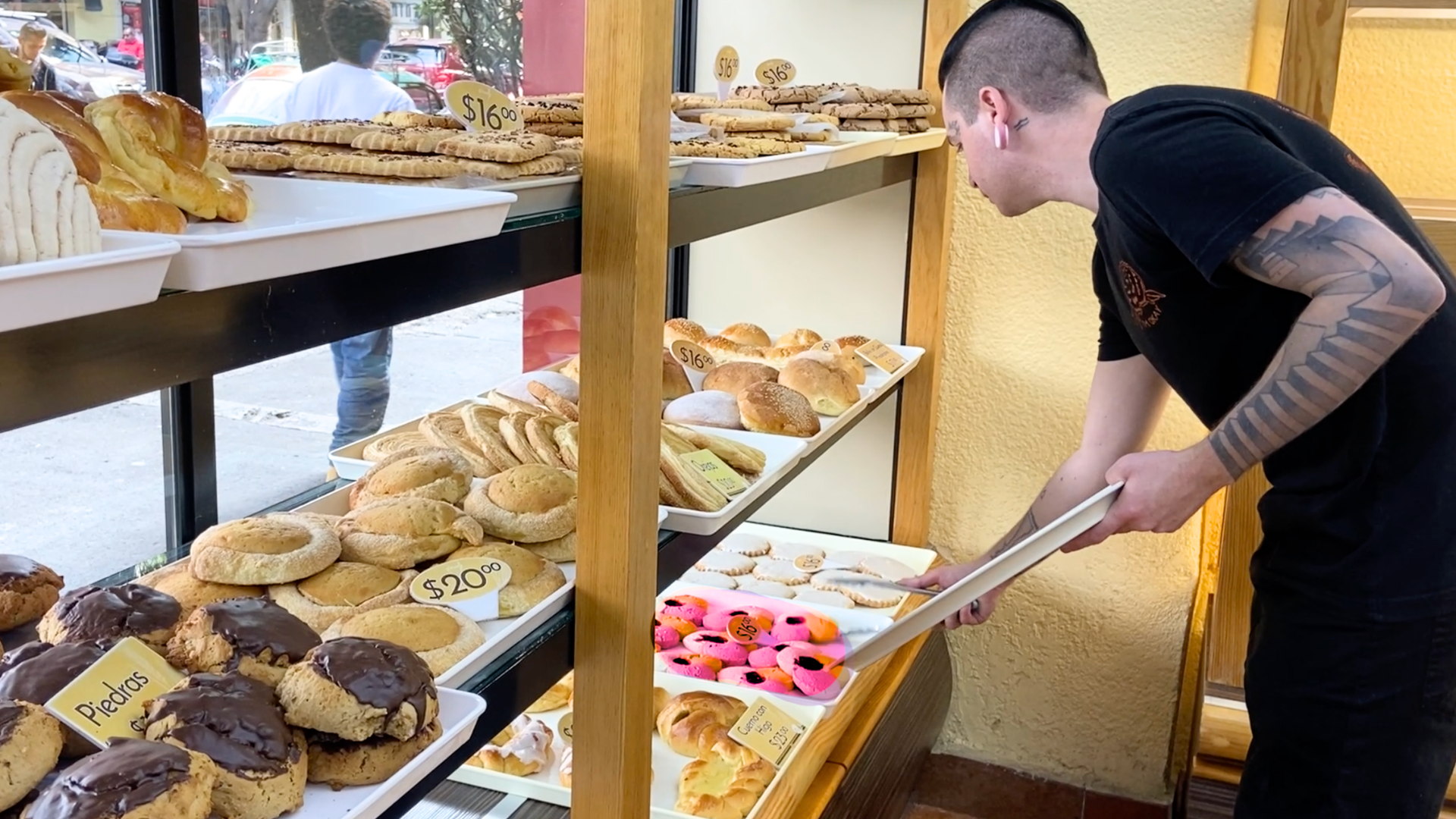
Okay, this one surprised me. I never really thought about how often I enjoy taking food to-go or taking food that I don’t finish at the table. Duolingo definitely doesn’t teach this one, and direct translations sometimes get weird. For example, in Mexico it’s “para llevar,” which means “for takeaway” rather than “to go.”

Hello, goodbye, thank you, please
These ones are pretty obvious, but I need to make an extra point here. If you don’t know these in a foreign language, you should at least say them in your own. People know that a polite phrase comes after a polite gesture like after holding the door open for someone. This means that silence is not the best reaction. Instead, say “thank you” in your language, and, even though the person may not understand, they can guess pretty well what you mean.
Card or cash; tip
If you’re eating out in a foreign country, these are going to be important, especially for listening comprehension. I don’t feel like you need to say these words as much as you need to understand them because you can always just show your card or cash. But when a server asks these questions, it’s best not to stare blankly.
Good morning/afternoon/evening, much thanks, I appreciate you, nice to meet you
These are secondary words that can easily be substituted with the usual hello/goodbye/thanks. However, I noticed that I got bored of saying the same 3 words over and over again, especially to people I saw every day like apartment security guards or baristas at my favorite coffee shops. These words help change it up a bit.

All these might seem obvious, so why doesn’t Duolingo teach these words first?
Duolingo is fun as a casual word-memorizing game. I’m a big supporter of the sassy owl, but, truthfully, Duolingo is not great to actually learn a language.
It’s great to memorize words here and there and to even recognize them in public, but if you’re on a streak and you’ve practiced a foreign language everyday for over 60 days, you should be able to at least hold a conversation in that language.
There’s a reason why Duolingo doesn’t teach a foreign language. Here is the best example:
In Duo, “excuse me” in Spanish is always presented as “disculpe.” However, it doesn’t explain the difference between “disculpe,” “perdon,” and “permiso.”
• Disculpe = excuse me (trying to get someone’s attention, like a server)
• Perdon = saying sorry for a mistake (like bumping into someone)
• Permiso = excuse me (like trying to get past someone on a bus)
I’ve embarrassed myself more than a few times trying to speak a second language in an unfamiliar country. Like in Mexico, when I asked for a box to take my food to-go. Well, when you say “box” in Spanish, the translation isn’t exact. So, basically it sounded like I asked for a Home Depot-style moving box for my leftover tacos.
My other favorite embarrassing moment is when I asked the cashier at the smoothie shop if they actually put fish in their smoothies. He let out a hearty laugh to tell me that “tuna” in Spanish means the fruit of a nopal cactus.
To make things even more confusing, tuna (the fish) in Spanish is pronounced “ah-toon (atún).”
Language is fun but learning a new one is quite difficult. Do yourself a favor and learn some of the basics before visiting a foreign country. It greatly reduces stress and it’s also polite and respectful to the local culture.
Resources:

Preply is AMAZING. It’s one-on-one tutoring with people from countries that speak the language you’re looking to learn. Ranges from $2 – 20 an hour and supports locals.
There’s tutors for whichever way you want to practice:
-conversations
-classroom-style
-workbooks
-short stories and more
Photos courtesy of London Alexander are copyrighted and cannot be used without written expressed permission.
Leave a Reply